El Born is one of Barcelona’s most atmospheric historic districts—a fascinating combination of medieval streets, Gothic architecture, archaeological remains, independent boutiques, museums, tapas bars and lively public squares.
Situated between the Gothic Quarter, Parc de la Ciutadella and Barceloneta, El Born is an excellent place to experience Barcelona’s history while enjoying its contemporary cultural and culinary life.
Where Is El Born?
El Born is located in Barcelona’s old city, known as Ciutat Vella. It forms part of the official neighbourhood of Sant Pere, Santa Caterina i la Ribera, although the name “El Born” is commonly used for the area surrounding Passeig del Born and the Basilica of Santa Maria del Mar.
The district is bordered approximately by:
- Via Laietana to the west
- Parc de la Ciutadella to the east
- Barceloneta and Port Vell to the south
- Sant Pere and the Arc de Triomf area to the north
El Born is within easy walking distance of the Gothic Quarter, Barcelona Cathedral, La Rambla, Port Vell, Barceloneta Beach and Parc de la Ciutadella.
A Brief History of El Born
El Born developed outside Barcelona’s original Roman walls during the medieval expansion of the city. Its location near the harbour made it an important district for merchants, sailors, craftspeople, shipbuilders and trading families.
Many of its streets still preserve names associated with medieval occupations and commercial activities. Carrer dels Sombrerers, for example, refers to hatmakers, while Carrer de l’Argenteria is associated with silversmiths.
During the Middle Ages, Passeig del Born became one of Barcelona’s most important public spaces. The word born has been associated with the enclosed ground used for medieval tournaments and jousting competitions. The area hosted celebrations, religious processions, markets, public ceremonies and festivals.
Barcelona’s economic expansion during the thirteenth, fourteenth and fifteenth centuries helped finance the construction of the Basilica of Santa Maria del Mar. The church was closely connected with the merchants, dockworkers and residents of La Ribera.
El Born was profoundly affected by the War of the Spanish Succession. After Barcelona fell to Bourbon forces on 11 September 1714, a large section of the nearby La Ribera neighbourhood was demolished to create a military citadel. Thousands of residents lost their homes.
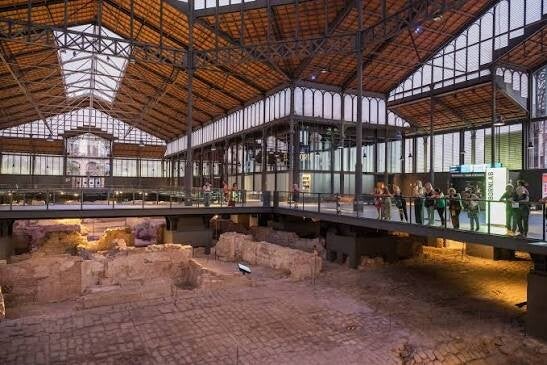
Archaeological remains of the destroyed neighbourhood can now be seen beneath the former Born Market at El Born Centre de Cultura i Memòria.
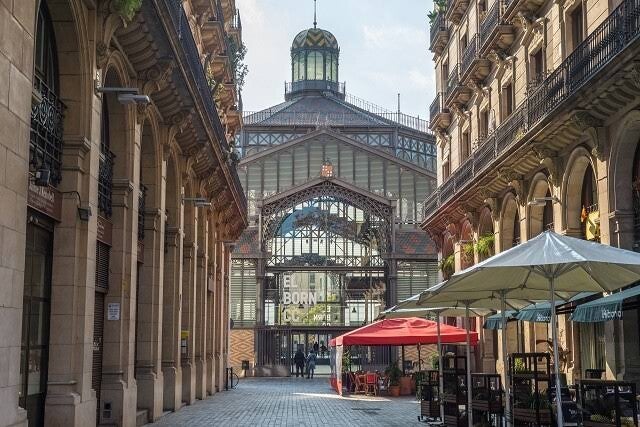
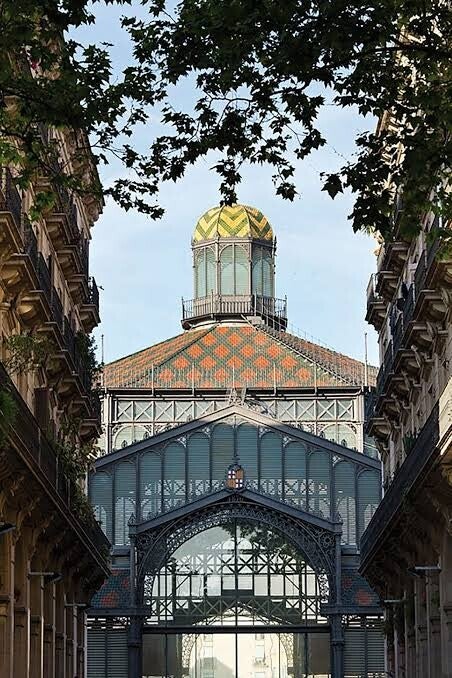
During the nineteenth century, the district became increasingly industrial and commercial. The Born Market opened in 1876 and was one of Barcelona’s first major iron-and-glass market buildings.
In recent decades, El Born has developed into a fashionable cultural district. Historic buildings now contain museums, galleries, restaurants, cafés and independent shops, but the area retains its medieval street layout and strong connection with Barcelona’s past.
What to See and Do in El Born
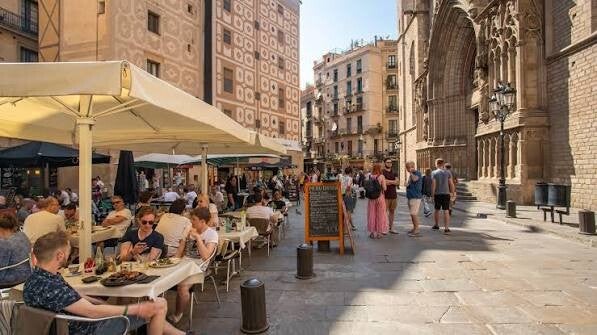
Passeig del Born
Passeig del Born is the historic heart of the district. This pedestrian avenue stretches between the Basilica of Santa Maria del Mar and the former Born Market.
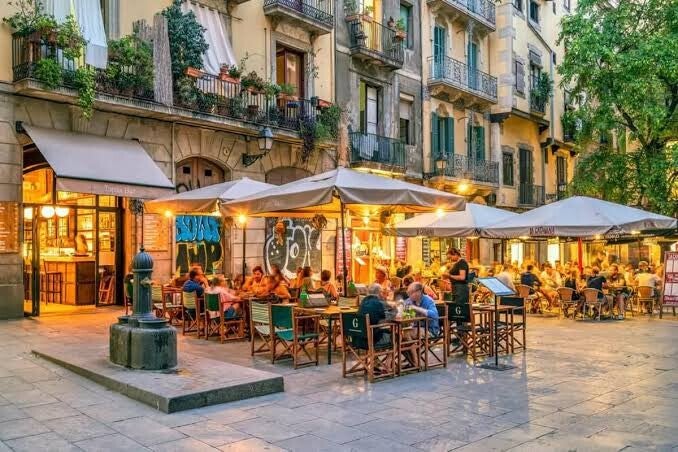
During the medieval period, it hosted tournaments, processions, celebrations and public gatherings. Today it is lined with restaurants, bars, cafés and boutiques.
Morning is the best time to appreciate its architecture and medieval character. During the evening, its terraces become busier and the area develops a lively social atmosphere. Discover Passeig del Born
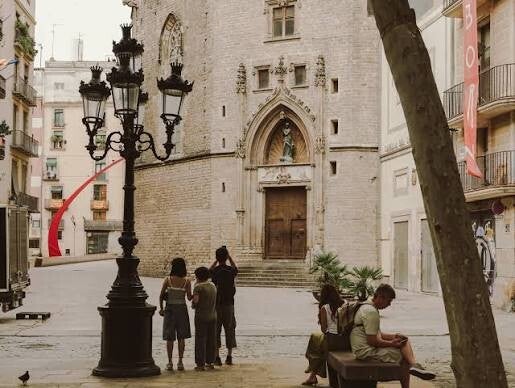
Basilica of Santa Maria del Mar
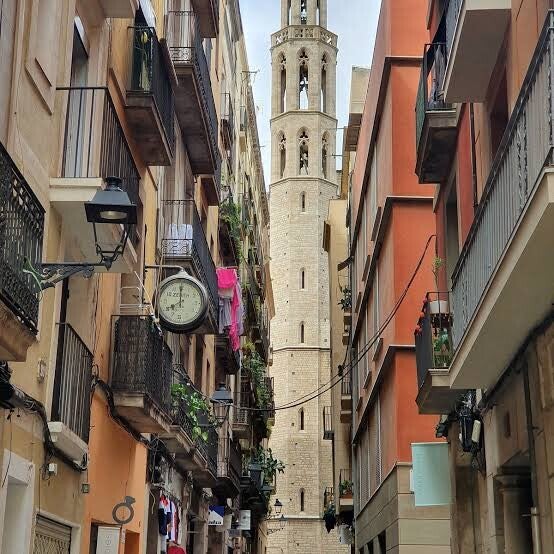
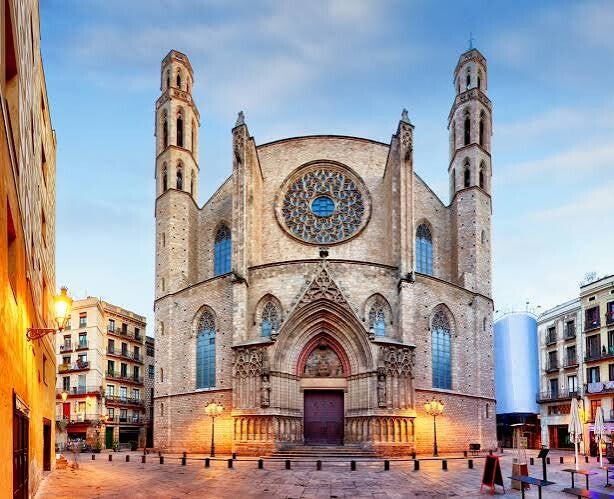
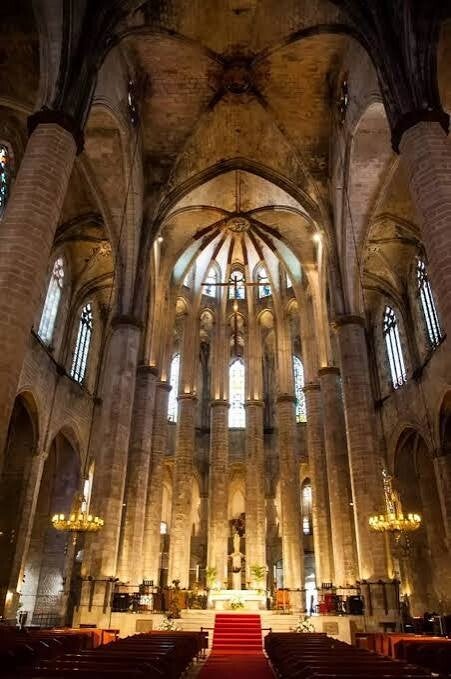
The Basilica of Santa Maria del Mar is one of Barcelona’s finest examples of Catalan Gothic architecture. It was constructed between 1329 and 1384 under architects Berenguer de Montagut and Ramon Despuig.
The church is sometimes called the “Cathedral of the Sea” because of its close relationship with the merchants, sailors and dockworkers of medieval Barcelona. Local port workers known as bastaixos helped carry stone from Montjuïc to the construction site.
Its interior is remarkably spacious and harmonious. Tall octagonal columns support the vaulted ceiling, while stained-glass windows fill the building with coloured light.
Visitors may also be able to book access to the towers and rooftop terraces, which provide excellent views over the medieval city.
The basilica normally opens daily, but tourist visits, worship and rooftop access have separate schedules. As a working church, opening hours may change for services, weddings, funerals and religious celebrations. Santa Maria del Mar visitor information
El Born Centre de Cultura i Memòria
El Born Centre de Cultura i Memòria occupies the former nineteenth-century Born Market. Beneath its impressive iron structure are extensive archaeological remains of streets and houses demolished following the events of 1714.
From elevated walkways, visitors can look down upon the foundations of homes, shops, streets and drainage systems that once formed part of the La Ribera neighbourhood.
The centre explores:
- Everyday life in Barcelona around 1700
- The War of the Spanish Succession
- The siege and fall of Barcelona in 1714
- The demolition of La Ribera
- The history of the former Born Market
- Memory, identity and contemporary culture
Entry to the central building and viewing walkways is normally free. Temporary exhibitions, archaeological tours and guided activities may require tickets.
The centre generally opens Tuesday to Sunday from 10:00 to 20:00 and closes on Mondays. Final entry to ticketed spaces is usually before closing time. El Born cultural and historical information
Picasso Museum Barcelona
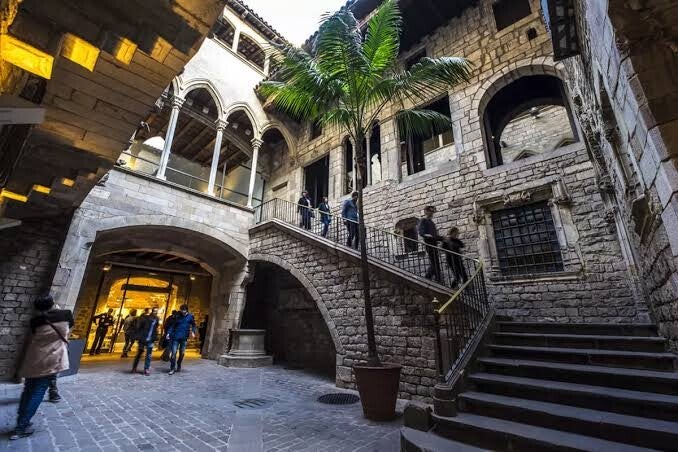
The Picasso Museum occupies five adjoining medieval palaces along Carrer de Montcada. It contains an important collection examining Pablo Picasso’s artistic development and his close relationship with Barcelona.
The collection is especially strong in works from Picasso’s formative years. It helps visitors understand the academic training, experimentation and personal influences that shaped the artist before his international fame.
Carrer de Montcada is narrow, so queues can form outside the museum. Advance reservation is strongly recommended, particularly during weekends, holidays and the summer season.
Allow between one-and-a-half and two hours for the museum.
Carrer de Montcada
Even without entering a museum, Carrer de Montcada is worth exploring. Its medieval and early-modern palaces were constructed for wealthy merchants and noble families.
The street contains attractive stone courtyards, staircases, Gothic windows and historic façades. In addition to the Picasso Museum, several galleries and cultural institutions occupy buildings along the street.
Museu de la Xocolata
Barcelona’s Chocolate Museum is housed in the former Convent of Sant Agustí. It explains the arrival of cocoa in Europe, Barcelona’s role in the chocolate trade and the development of chocolate production.
Its displays include chocolate sculptures, historical objects and information about the transformation of cocoa beans into finished products. Workshops and family activities may also be available.
It is particularly suitable for visitors travelling with children.
European Museum of Modern Art
The European Museum of Modern Art, commonly known as MEAM, is situated in the Palau Gomis near the Picasso Museum.
It focuses mainly on figurative art from the twentieth and twenty-first centuries. The museum offers an interesting contrast to the Picasso Museum’s emphasis on experimentation and modernism.
Moco Museum Barcelona
Moco Museum presents modern and contemporary works in the historic Palau Cervelló. Its exhibitions often feature internationally recognized artists, digital installations and popular contemporary culture.
Because exhibition content and opening hours may change, visitors should consult the museum’s current programme before travelling.
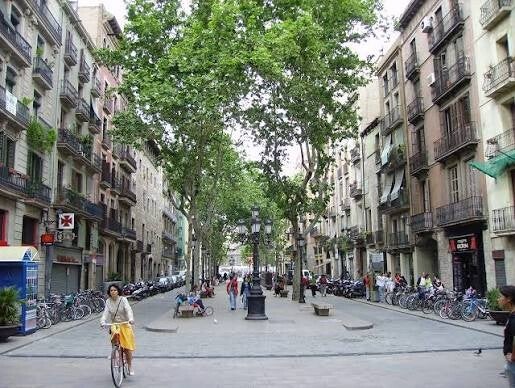
El Born’s Historic Streets
El Born is best explored slowly and on foot. Interesting streets and squares include:
- Carrer dels Mirallers
- Carrer de l’Argenteria
- Carrer dels Sombrerers
- Carrer de la Princesa
- Carrer del Rec
- Carrer de Montcada
- Plaça de les Olles
- Plaça de Sant Pere
- Plaça de Santa Maria
- Passeig del Born
Look above the modern shopfronts to see medieval stonework, balconies, religious images and architectural details.
El Born’s Independent Shops
The district is known for independent fashion boutiques, jewellery designers, artisan workshops, bookshops, homeware stores and galleries.
Commercial opening hours vary. Many small shops open around 10:00 or 11:00, close during the early evening and may operate reduced hours on Sundays or Mondays.
Parc de la Ciutadella
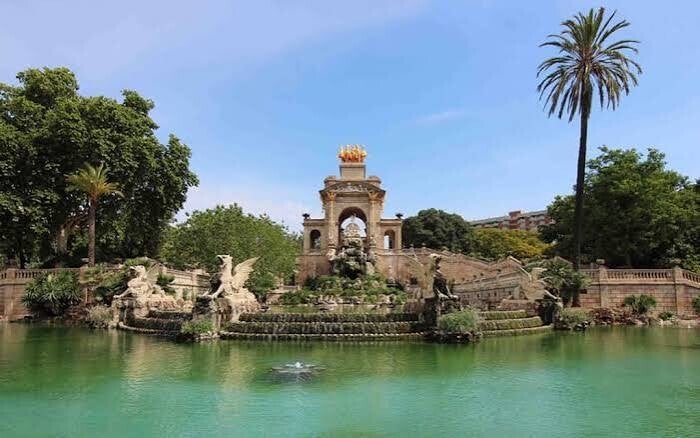
Parc de la Ciutadella is situated immediately beside El Born. It was created on land previously occupied by the military citadel constructed after the defeat of Barcelona in 1714.
The park includes landscaped gardens, sculptures, a monumental fountain, the Catalan Parliament building and Barcelona Zoo.
It is a convenient place to rest after walking through El Born. Public access hours may change seasonally, and some facilities inside the park have separate schedules.
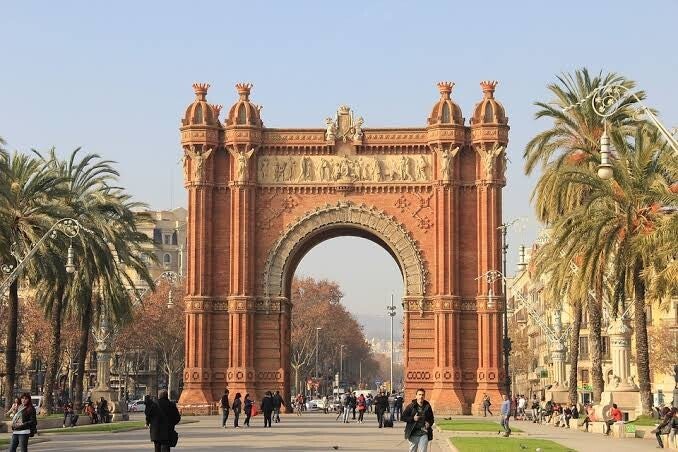
Arc de Triomf
A short walk north of El Born stands Barcelona’s Arc de Triomf. It was designed by Josep Vilaseca as the principal entrance to the 1888 Barcelona Universal Exposition.
Unlike many European triumphal arches associated with military victories, Barcelona’s monument was created as a ceremonial entrance to an international exhibition.
The broad pedestrian promenade connecting it with Parc de la Ciutadella is popular with walkers, cyclists, musicians and street performers.
Santa Caterina Market
Although technically located on the western edge of the wider neighbourhood, Santa Caterina Market is an excellent culinary stop.
Its colourful undulating roof was designed during a modern renovation by architects Enric Miralles and Benedetta Tagliabue. Inside are stalls selling meat, fish, vegetables, fruit, cheese and other local produce.
Market hours vary by day, and many stalls close during the afternoon.
Opening and Closing Times
El Born is a public neighbourhood rather than a gated attraction. Its streets and squares are accessible 24 hours a day, but individual museums, churches, shops and restaurants have separate schedules.
The following hours were checked in September 2026 but may change because of public holidays, religious services, private events or maintenance.
PlaceUsual opening hoursEl Born streets and public squaresOpen access, 24 hoursPasseig del BornOpen access, 24 hoursEl Born Centre de Cultura i MemòriaTuesday–Sunday, 10:00–20:00; closed MondayPicasso MuseumSeasonal schedule; closed MondaySanta Maria del MarGenerally open daily; tourist, worship and rooftop schedules varyChocolate MuseumCommonly Monday–Saturday 10:00–19:00; Sundays and public holidays 10:00–15:00Parc de la CiutadellaDaily public access; gates follow seasonal opening hoursIndependent shopsCommonly around 10:00–20:00; individual schedulesRestaurantsLunch and dinner hours vary; many remain open until lateBars and nightlife venuesIndividual licensed hours
Picasso Museum Seasonal Hours
From 31 March to 27 September:
- Tuesday, Wednesday and Sunday: 09:00–20:00
- Thursday, Friday and Saturday: 09:00–21:00
- Monday: closed
From 29 September to 29 March:
- Tuesday–Sunday: 10:00–19:00
- Monday: closed
The museum also closes on selected annual holidays. The ticket office closes 30 minutes before the museum, and galleries begin clearing shortly before closing. Check current Picasso Museum opening hours
Always check official websites shortly before travelling.
How to Reach El Born Locally
By Metro
The most convenient metro stations are:
- Jaume I – Line L4: Best for Santa Maria del Mar, Carrer de Montcada and the Picasso Museum
- Barceloneta – Line L4: Best for El Born Centre de Cultura i Memòria and the southern section
- Urquinaona – Lines L1 and L4: Convenient for northern El Born
- Arc de Triomf – Line L1: Best for the park and northern approach
From Jaume I station, most major El Born attractions are within 5–10 minutes on foot.
By Train
Estació de França is located immediately beside El Born. It receives regional and commuter railway services.
Arc de Triomf railway station is also within walking distance and serves several Rodalies routes.
By Bus
Several city buses operate along Via Laietana, Passeig de Picasso, Carrer de la Princesa and nearby avenues. Routes may change because of construction or traffic restrictions.
On Foot
Walking is generally the best way to reach and explore El Born. Approximate walking times are:
- Gothic Quarter: 5–10 minutes
- Barcelona Cathedral: 10 minutes
- La Rambla: 15–20 minutes
- Plaça de Catalunya: 15–20 minutes
- Barceloneta: 10–15 minutes
- Port Vell: 10 minutes
- Sagrada Família: approximately 35–40 minutes
By Bicycle or Taxi
Cyclists should use designated cycle routes and park bicycles in approved areas. Riding through narrow, crowded pedestrian streets may be difficult and inconsiderate.
Taxis can drop passengers along the district’s larger boundary streets, but vehicle access within the historic centre is restricted.
How International Visitors Can Reach El Born
From Barcelona–El Prat Airport
International visitors arriving at Barcelona–El Prat Airport can reach El Born by:
- Aerobús: Travel to Plaça de Catalunya, then walk approximately 20 minutes or continue by taxi or metro.
- Airport train: Take the train from Terminal 2 to Passeig de Gràcia, then change to metro line L4 for Jaume I.
- Metro: Take line L9 Sud from the airport and transfer through the metro network to line L4.
- Taxi or private transfer: The most convenient option for families, groups and travellers with heavy luggage.
From Barcelona-Sants Station
Barcelona-Sants receives high-speed trains from Madrid, France and other destinations.
Travellers can take metro line L5 to Verdaguer and change to line L4 for Jaume I, or travel by taxi directly to their accommodation.
From the Cruise Port
Cruise passengers arriving at the Adossat terminals can take the Cruise Bus toward the Columbus Monument and continue by taxi, public transport or on foot through Port Vell.
Walking directly from the distant cruise terminals is not recommended because of port traffic and restricted areas.
By International Coach
Long-distance buses generally arrive at Estació del Nord or Barcelona-Sants. Estació del Nord is within walking distance of northern El Born, while travellers from Sants can continue by metro or taxi.
Food and Drink in El Born
El Born offers traditional Catalan cooking, tapas, Mediterranean cuisine and modern international dining.
Popular choices include:
- Pa amb tomàquet—bread rubbed with tomato and olive oil
- Patatas bravas
- Croquettes
- Grilled vegetables
- Catalan sausages
- Seafood and rice dishes
- Local cheeses and cured meats
- Crema catalana
- Artisan chocolate
- Vermouth, cava and Catalan wine
Check menus and prices before ordering, particularly on the busiest squares. Smaller restaurants on side streets may offer a calmer and more local experience.
The Best Time to Visit
Early morning is ideal for photography and peaceful walks. Museums are usually quieter shortly after opening.
Late afternoon is excellent for combining cultural attractions with shopping, drinks and dinner. Passeig del Born becomes especially lively during the evening.
Spring and autumn generally provide comfortable walking weather. During summer, visit museums during the hottest part of the day and explore the streets in the morning or evening.
Practical Dos and Don’ts
Do
- Reserve Picasso Museum tickets in advance.
- Wear comfortable shoes for cobbled and uneven streets.
- Keep valuables secure in crowded areas.
- Respect worship at Santa Maria del Mar.
- Explore the smaller streets beyond Passeig del Born.
- Visit El Born Centre to understand the events of 1714.
- Check museum schedules before travelling.
- Support independent shops and responsible local businesses.
- Keep noise low near residential buildings.
- Ask permission before photographing people or private interiors.
Don’t
- Do not treat El Born as an open-air party zone.
- Do not leave bags unattended at cafés or on public benches.
- Do not block narrow streets while taking photographs.
- Do not enter residential buildings or private courtyards without permission.
- Do not photograph church services with flash.
- Do not purchase tickets from unauthorized street sellers.
- Do not assume every museum opens on Monday.
- Do not cycle quickly through pedestrian areas.
- Do not leave litter in streets, squares or parks.
- Do not forget that El Born is a living residential community.
Plan Your Barcelona Holiday with Virtual World Travel Agency
Would you like professional assistance organizing your Barcelona holiday? Virtual World Travel Agency can help you arrange accommodation, transportation, attraction tickets, car rentals, events and personalized travel experiences.
WhatsApp or call: +34 664 663 275
Email: info@virtual-world.pl
Holiday planner form:
Request your personalized holiday plan
Self-booking platform for hotels, car rentals and events:
Search and book your travel services
Discover the medieval streets, artistic treasures and vibrant character of El Born with Virtual World Travel Agency.
Add comment
Comments