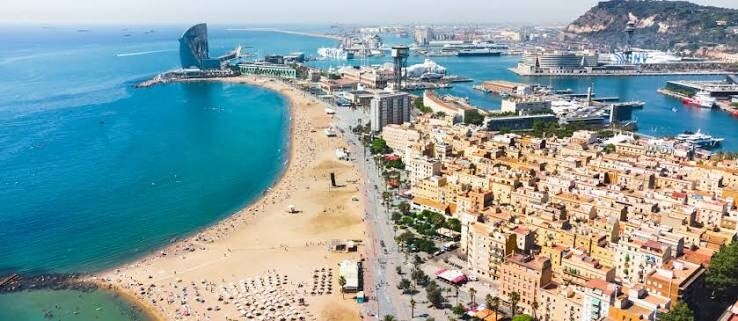
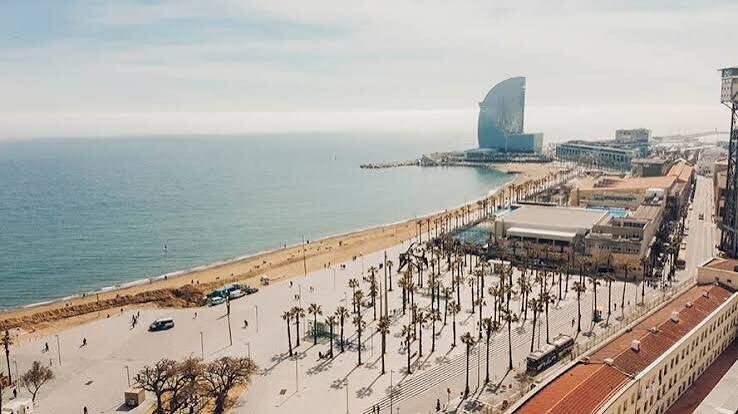
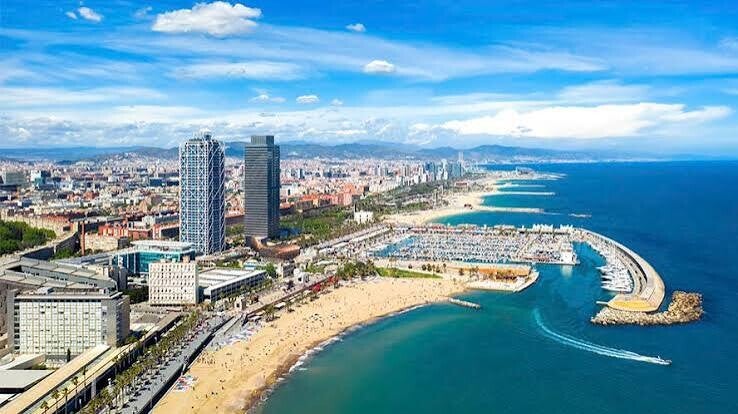
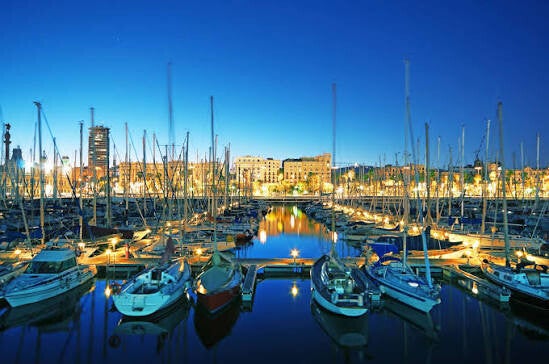
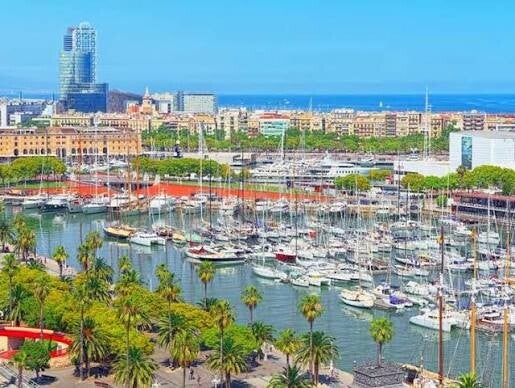
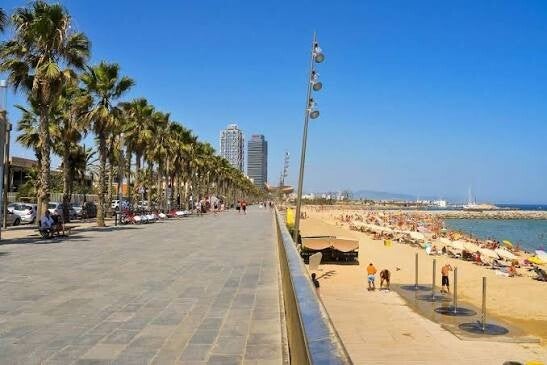
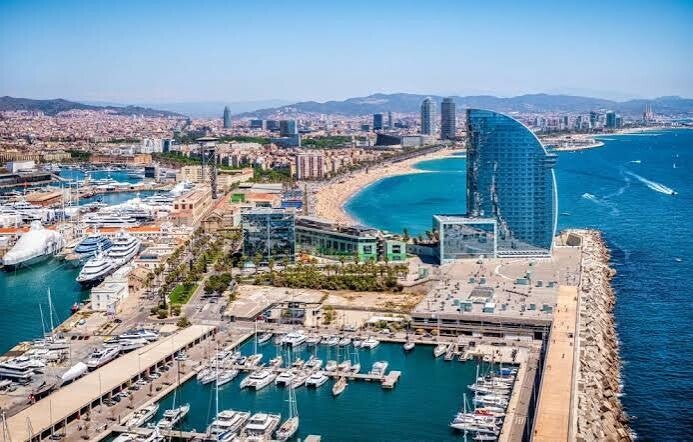
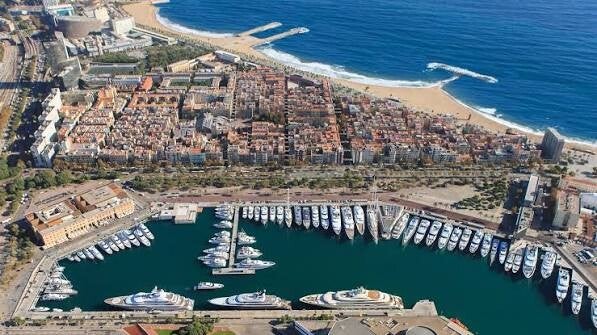
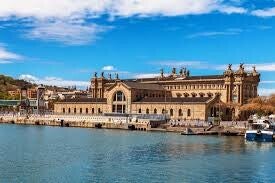
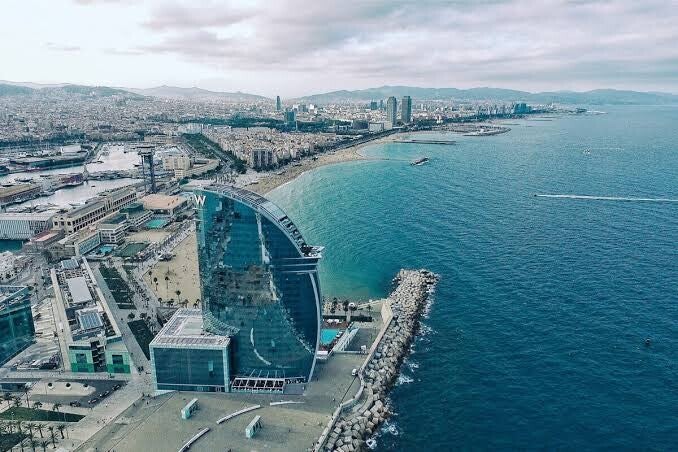
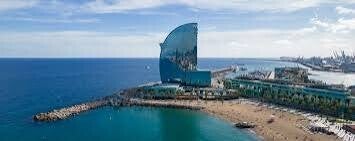
Barceloneta and the surrounding waterfront offer one of the most enjoyable ways to experience Barcelona’s relationship with the Mediterranean Sea. This part of the city combines a traditional fishing neighbourhood, sandy beaches, seafood restaurants, historic buildings, modern marinas, museums, public artworks and attractive seaside promenades.
Visitors can swim and relax on the beach, walk through Barceloneta’s narrow streets, explore Port Vell, enjoy fresh seafood, visit the aquarium or continue along the coast toward Port Olímpic.
Where Are Barceloneta and the Waterfront?
Barceloneta is a triangular waterfront neighbourhood within Barcelona’s Ciutat Vella district. It lies between Port Vell, the Mediterranean beaches and the railway lines near Estació de França.
The neighbourhood is approximately:
- 15–20 minutes on foot from the Gothic Quarter
- 20–25 minutes from La Rambla
- 10 minutes by metro from Passeig de Gràcia
- 15–20 minutes by public transport from the Sagrada Família
- 20–30 minutes by taxi from Barcelona–El Prat Airport, depending on traffic
Barcelona’s wider waterfront stretches from the harbour and Port Vell past Barceloneta Beach, Somorrostro Beach, Port Olímpic and the beaches of Poblenou toward the Fòrum district.
A Brief History of Barceloneta
Barceloneta is one of Barcelona’s most distinctive historic neighbourhoods. It was developed during the eighteenth century after homes in the nearby La Ribera district were demolished to make way for the military Citadel.
Construction of the new neighbourhood began in 1753. It was designed according to an orderly street plan, with narrow blocks and relatively modest houses. Many displaced residents, fishermen, sailors, dockworkers and craftspeople settled there.
Its original homes were generally low, but increasing population pressure led owners to add additional floors. This created the tall, narrow residential buildings that still characterize Barceloneta.
The neighbourhood’s identity became closely connected with fishing, shipbuilding, maritime trade and the Port of Barcelona. Traditional seafood establishments and informal beach restaurants known as xiringuitos became part of its social and culinary life.
During the nineteenth and twentieth centuries, Barceloneta developed as both a working-class neighbourhood and a recreational destination. Barcelona residents travelled there to swim, eat seafood and escape the crowded city centre.
The waterfront changed dramatically before the 1992 Olympic Games. Industrial areas and railway infrastructure were reorganized, beaches were restored, the seafront promenade was developed and Port Olímpic was constructed. This transformation opened Barcelona more fully toward the Mediterranean.
Today, Barceloneta remains a residential neighbourhood rather than simply a tourist attraction. Its maritime traditions coexist with beaches, hotels, restaurants, water sports and international tourism.
Barceloneta Beach
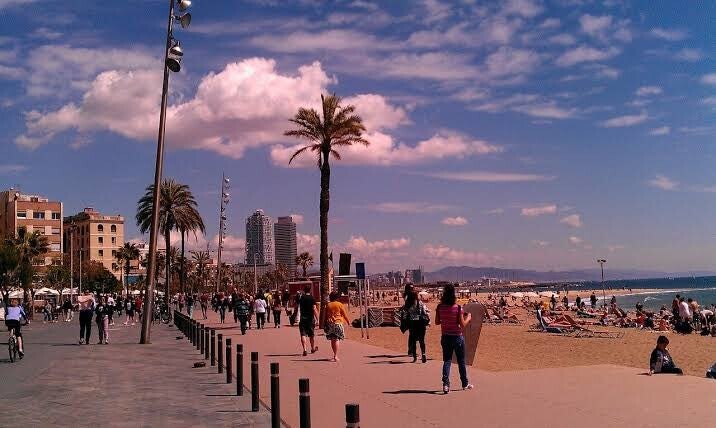
Barceloneta Beach is one of Barcelona’s most popular and energetic beaches. It attracts residents, international visitors, swimmers, sunbathers, volleyball players, runners and cyclists.
The beach provides views of the Mediterranean and easy access to restaurants, cafés and the seafront promenade. Facilities vary according to the season but may include toilets, showers, lifeguards, first-aid services, beach-access walkways and assisted bathing services.
Barcelona’s tourism authority identifies it as a public space with open access. Official Barceloneta Beach information
The beach is especially busy during weekends, public holidays and the summer season. For a quieter experience, arrive early in the morning.
Sant Sebastià and Sant Miquel Beaches
Barceloneta is bordered by two other popular beaches.
Sant Sebastià Beach
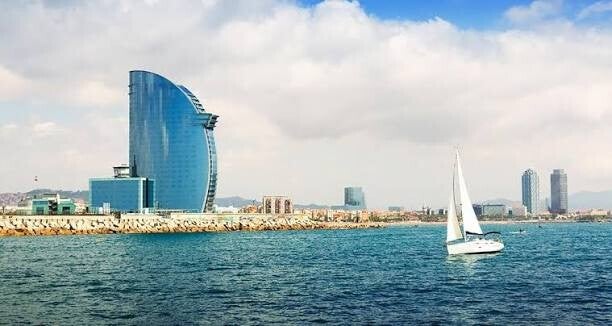
Sant Sebastià is one of Barcelona’s oldest and longest-established bathing areas. It is located toward the W Barcelona hotel and the entrance to the port.
It offers a broad expanse of sand and is popular with swimmers, local residents and visitors seeking a beach close to the city centre.
Sant Miquel Beach
Sant Miquel Beach is named after Sant Miquel del Port, the patron saint of Barceloneta. It is situated between Sant Sebastià and Barceloneta beaches.
It is convenient for visitors who want to combine time on the sand with a walk through the old neighbourhood. Barcelona’s official beach guide describes the different character and history of the city’s coastal areas. Explore Barcelona’s beaches
What to See and Do
Walk Through the Historic Neighbourhood
Leave the promenade for a while and explore Barceloneta’s narrow streets, balconies, small squares and traditional residential buildings.
Look for neighbourhood bakeries, family-run restaurants, tapas bars and places serving bomba de la Barceloneta—a fried potato ball traditionally filled with meat and served with sauces.
Visitors should remember that these streets are home to a permanent residential community. Keep noise under control and avoid photographing residents without permission.
Mercat de la Barceloneta
The Barceloneta Market stands at Plaça del Poeta Boscà. It is an excellent place to observe local neighbourhood life and see fresh fish, seafood, meat, fruit, vegetables and other produce.
Some stalls and surrounding establishments also serve prepared food. The best time to visit is normally during the morning, when the market is most active.
The market generally opens Monday to Saturday from 08:00 to 15:00 and closes on Sundays. Barceloneta Market information
Church of Sant Miquel del Port
The Church of Sant Miquel del Port was constructed during the creation of Barceloneta in the eighteenth century. It became the spiritual centre of the developing maritime neighbourhood.
The church’s interior visiting hours may depend on worship, parish activities and religious celebrations. Visitors should dress respectfully, remain quiet and avoid sightseeing during services.
L’Estel Ferit
The sculpture L’Estel Ferit, meaning “The Wounded Star,” was created by German artist Rebecca Horn for the 1992 Olympic period.
Its four apparently unstable cubes have become a symbol of Barceloneta Beach. The artwork is often interpreted as a memorial to the neighbourhood’s old beach huts and informal seaside restaurants.
Barceloneta Park
Parc de la Barceloneta occupies land associated with former industrial and gas-production facilities. It provides open spaces, paths, sports areas and reminders of the neighbourhood’s industrial heritage.
It is a quieter alternative to the crowded beachfront and can be combined with a walk toward Port Olímpic.
Port Vell
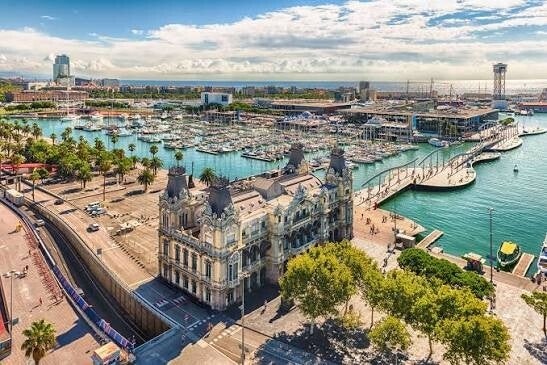
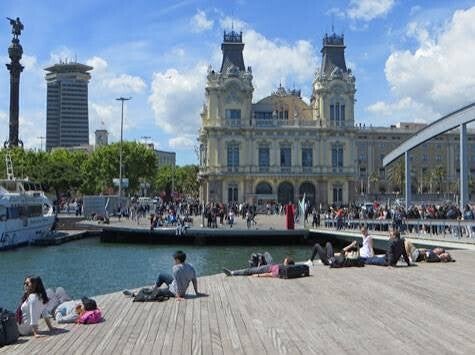
Port Vell, or the Old Port, begins near the end of La Rambla and the Columbus Monument. Its history reaches back to Barcelona’s earliest relationship with Mediterranean trade.
Today it combines working harbour areas with leisure, culture and recreation. Attractions include:
- Rambla de Mar
- Maremagnum
- Barcelona Aquarium
- Museum of the History of Catalonia
- Marina Port Vell
- Historic harbour buildings
- Sightseeing boat departures
- Waterfront restaurants and cafés
The port has played an important role in migration, trade and Catalonia’s industrial development. Discover Port Vell
Rambla de Mar and Maremagnum
Rambla de Mar is a wooden pedestrian walkway extending across the water from the Columbus Monument area to Moll d’Espanya.
The walkway leads to Maremagnum, a waterfront shopping and leisure centre containing shops, restaurants and entertainment facilities. Rambla de Mar can temporarily open to allow boats to enter and leave the harbour.
The public walkway is normally accessible throughout the day, while individual businesses inside Maremagnum maintain their own schedules.
Barcelona Aquarium
Barcelona Aquarium is situated at Moll d’Espanya in Port Vell. It is particularly popular with families and contains Mediterranean and tropical marine habitats.
One of its best-known features is an underwater tunnel that allows visitors to observe sharks and other marine species.
The aquarium opens every day of the year from 10:00. Closing times vary according to the date and season, and ticket offices close before the attraction. Check Barcelona Aquarium opening hours
Museum of the History of Catalonia
The Museum of the History of Catalonia occupies the Palau de Mar, a former port warehouse near Barceloneta metro station.
Its exhibitions introduce Catalonia’s political, social, economic and cultural development from early history to the present. The museum terrace also offers attractive harbour views.
Usual opening hours are:
- Tuesday, Thursday, Friday and Saturday: 10:00–19:00
- Wednesday: 10:00–20:00
- Sunday and public holidays: 10:00–14:30
- Monday: normally closed
Admission ends 30 minutes before closing. Official museum information
Barcelona Maritime Museum
The Maritime Museum is housed in the historic Royal Shipyards near the bottom of La Rambla. Although it is not within Barceloneta itself, it is an excellent addition to a waterfront visit.
The museum explores navigation, shipbuilding, Mediterranean trade and Barcelona’s maritime history.
It normally opens daily from 10:00 to 20:00, with final admission at 19:00. It closes on selected public holidays. Plan your Maritime Museum visit
Port Olímpic
Port Olímpic was developed for the 1992 Olympic Games. It lies between Somorrostro and Nova Icària beaches and contains a marina, sailing facilities, restaurants, public spaces and recreational areas.
Nearby landmarks include:
- Frank Gehry’s golden fish sculpture
- Torre Mapfre
- Hotel Arts Barcelona
- The Olympic Village
- Seafront gardens and promenades
The area has undergone further redevelopment to create additional public space and support Barcelona’s maritime economy. Port Olímpic visitor information
The Port Cable Car
The Port Cable Car connects the Barceloneta waterfront with Miramar on Montjuïc. Its Torre Sant Sebastià station stands close to Sant Sebastià Beach.
The journey offers panoramic views of the harbour, city and coastline. It is a separate attraction from the Montjuïc Cable Car that travels between Parc de Montjuïc and Montjuïc Castle.
Operating hours vary seasonally, and service may stop because of strong wind or maintenance. Confirm the timetable before visiting.
Harbour Cruises and Water Transport
Traditional sightseeing boats known as Las Golondrinas depart from the harbour near the Columbus Monument. Different cruises explore Port Vell or travel farther along Barcelona’s coastline.
An electric water-bus connection may also operate between the La Rambla side of the harbour and Barceloneta. Services depend on operating schedules and weather conditions.
Opening and Closing Times
Barceloneta and the waterfront do not have one universal opening time. Beaches, promenades and public spaces generally offer open access, while attractions, markets and businesses have individual timetables.
PlaceGeneral access or usual hoursBarceloneta BeachPublic space with open accessSeafront promenadeGenerally accessible 24 hoursPort Vell and Rambla de MarPublic access throughout the day, subject to harbour operationsBarceloneta MarketMonday–Saturday, 08:00–15:00; closed SundayBarcelona AquariumOpen daily from 10:00; seasonal closing timesMuseum of the History of CataloniaTuesday–Saturday 10:00–19:00; Wednesday until 20:00; Sunday and holidays until 14:30; usually closed MondayMaritime MuseumDaily 10:00–20:00; last admission 19:00Port Cable CarSeasonal timetable; weather dependentBeach restaurants and cafésIndividual opening hoursPort OlímpicPublic areas generally accessible; businesses have separate schedules
Although the beaches are publicly accessible, lifeguards, toilets, assisted bathing, rental services and other facilities operate only during designated hours and seasons.
Swimming outside supervised periods requires additional caution. Check the warning flags before entering the water:
- Green flag: Swimming generally permitted
- Yellow flag: Exercise caution
- Red flag: Swimming prohibited
Opening times can change during public holidays, adverse weather, maintenance and special events. Confirm schedules before travelling.
How to Reach Barceloneta Locally
By Metro
Take metro line L4 to Barceloneta station.
From the station:
- Museum of the History of Catalonia: approximately 3–5 minutes
- Port Vell: approximately 5–10 minutes
- Barceloneta Market: approximately 10 minutes
- Barceloneta Beach: approximately 10–15 minutes
- Port Cable Car: approximately 20 minutes
Ciutadella–Vila Olímpica station on line L4 is more convenient for Port Olímpic, the Olympic Village and Nova Icària Beach.
By Bus
Useful routes serving Barceloneta and the waterfront include V15, V19, 47, 59 and D20. Other services connect the area with Plaça de Catalunya, La Rambla, Port Olímpic and surrounding neighbourhoods.
Check current routes because temporary diversions may occur during festivals, sporting events and roadworks.
By Train
Estació de França is within walking distance of Barceloneta. It receives regional and commuter rail services.
Travellers arriving at Barcelona-Sants can take metro line L5 to Verdaguer and change to line L4 for Barceloneta. A taxi may be more convenient with luggage.
On Foot
Barceloneta is easily reached on foot from:
- El Born
- Gothic Quarter
- Parc de la Ciutadella
- Port Vell
- La Rambla
- Port Olímpic
Walking is one of the best ways to appreciate the transition from the historic city to the Mediterranean waterfront.
By Bicycle
Barcelona’s seafront promenade is popular with cyclists. Use designated cycle lanes, give way to pedestrians and park bicycles only in authorized places.
Do not cycle quickly through crowded pedestrian sections.
By Taxi
Taxis can drop passengers near the beach, market, Port Vell or Port Olímpic. Vehicle access close to the promenade may be restricted during crowded periods and special events.
How International Visitors Can Reach Barceloneta
From Barcelona–El Prat Airport
International visitors can reach Barceloneta using several options:
- Take the Aerobús to Plaça de Catalunya, then continue by metro or taxi.
- Take the airport train from Terminal 2 to Passeig de Gràcia, then change to metro line L4 for Barceloneta.
- Take metro line L9 Sud and transfer through the city’s metro network.
- Use a taxi or private transfer directly to Barceloneta.
A taxi or prearranged transfer is usually the easiest option for families, groups and travellers carrying beach equipment or heavy luggage.
From Barcelona-Sants Station
Barcelona-Sants receives high-speed and international trains. From the station, continue by metro, taxi or commuter train to Estació de França where available.
From the Cruise Port
Barcelona’s cruise terminals are located southwest of Port Vell. Passengers can use the Cruise Bus or Portbus from the terminal area and continue by taxi, metro or on foot.
The World Trade Center terminals are closer to the city, while the Adossat terminals require shuttle or taxi transport. The cruise shuttle operates according to ship arrival and departure times. Port of Barcelona visitor information
By Ferry
Passenger ferries connect Barcelona with Mallorca, Menorca, Ibiza, Italy and other Mediterranean destinations. Ferry terminals are within the wider port complex, but distances can be substantial. Check the exact terminal and arrange onward transport accordingly.
Food and Dining
Barceloneta is traditionally associated with seafood, rice dishes and maritime cuisine. Popular choices include:
- Paella
- Arroz negro, rice prepared with squid ink
- Grilled fish
- Seafood platters
- Squid and cuttlefish
- Fideuà, a noodle-based seafood dish
- Bomba de la Barceloneta
- Catalan tapas
Check menus and prices before ordering, especially at establishments directly facing the beach. A short walk into the neighbourhood may reveal smaller restaurants with a more local atmosphere.
Remember that paella is usually prepared to order and may require additional waiting time.
The Best Time to Visit
Spring and early autumn provide comfortable weather for walking and outdoor dining. Summer is best for swimming but also attracts the largest crowds.
Early morning is ideal for a peaceful walk, photography or visiting the market. Late afternoon and sunset offer pleasant light and a lively seaside atmosphere.
Avoid prolonged exposure to the midday sun during very hot days. Bring water, sunscreen, sunglasses and suitable head covering.
Practical Dos and Don’ts
Do
- Check the beach warning flags before swimming.
- Keep your belongings within sight.
- Use sunscreen and drink sufficient water.
- Wear comfortable footwear for exploring the neighbourhood.
- Visit the market during the morning.
- Respect residents and keep noise under control.
- Use designated cycle lanes and pedestrian areas correctly.
- Reserve popular restaurants during weekends and summer.
- Confirm cable-car and boat schedules before travelling.
- Use public rubbish and recycling containers.
- Follow lifeguard instructions immediately.
Don’t
- Do not leave phones, wallets or bags unattended while swimming.
- Do not buy drinks or services from unauthorized vendors.
- Do not swim when the red flag is displayed.
- Do not enter restricted harbour or marina areas.
- Do not disturb residents in Barceloneta’s narrow streets.
- Do not walk or stand in marked cycle lanes.
- Do not assume beach facilities operate throughout the night or all year.
- Do not photograph people closely without permission.
- Do not leave litter, glass containers or cigarette ends on the beach.
- Do not underestimate the Mediterranean sun, even on windy days.
Plan Your Barcelona Holiday with Virtual World Travel Agency
Would you like help arranging your Barcelona holiday? Virtual World Travel Agency can assist with accommodation, transportation, car rentals, attraction tickets, events and personalized travel experiences.
WhatsApp or call: +34 664 663 275
Email: info@virtual-world.pl
Holiday planner form:
Request a personalized holiday plan
Self-booking platform for hotels, car rentals and events:
Search and book your travel services
Experience Barcelona’s historic maritime neighbourhood, golden beaches and vibrant Mediterranean waterfront with Virtual World Travel Agency.
Add comment
Comments