Beginning a PhD is exciting, but choosing the right research topic can also be one of the most difficult stages of the doctoral journey. Many prospective students have a broad area of interest but struggle to transform it into a focused, original and researchable topic.
You may be interested in theology, history, literature, philosophy, religious studies, cultural studies or another humanities discipline. However, an area of interest is not yet a doctoral research topic. A successful PhD requires a clearly defined research problem, appropriate boundaries, accessible evidence and the potential to make an original contribution to knowledge.
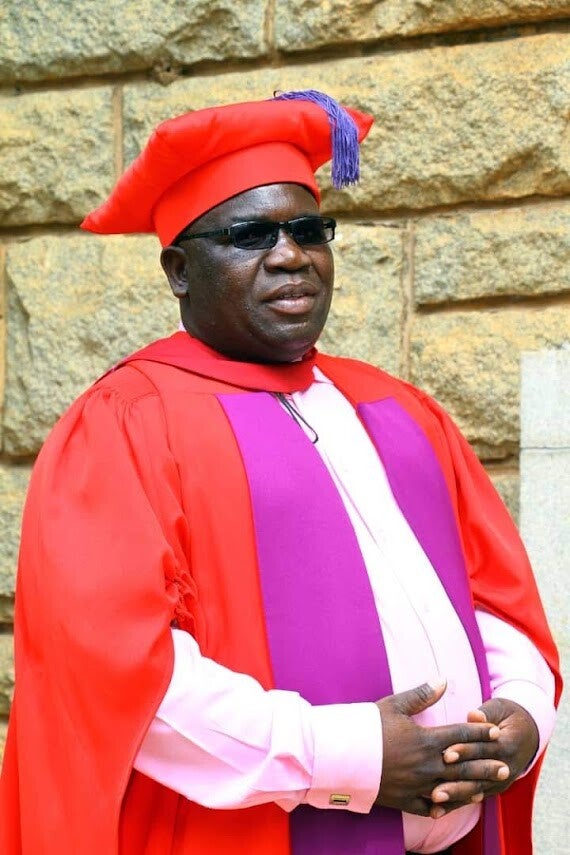
The downloadable academic article, “What Constitutes a Good PhD Thesis Topic and Title in the Humanities?”, written by Dr I. S. Gusha, has been prepared to guide prospective and current doctoral students through this important process.
Why Your PhD Topic Matters
Your chosen topic influences almost every part of your doctoral research. It determines:
- The research problem you will investigate
- The questions your thesis will answer
- The literature and primary sources you will examine
- The theoretical framework and methodology you will employ
- The scope and structure of your thesis
- The originality and significance of your contribution
A topic that is too broad can produce a fragmented and unmanageable project. One that is too narrow may not support a substantial doctoral argument. A vague or purely descriptive topic may also fail to demonstrate the original contribution expected at PhD level.
Choosing wisely at the beginning can save considerable time, confusion and unnecessary revision later.
What Does the Article Cover?
This comprehensive guide explains the important difference between:
- An academic field
- A general subject area
- A research topic
- A research problem
- A research question
- A PhD thesis title
It also explores the essential characteristics of a strong humanities research topic. These include originality, scholarly significance, focus, feasibility, conceptual clarity, methodological coherence, ethical responsibility and the ability to sustain a clear academic argument.
The article further explains how to construct an effective thesis title that is:
- Clear and academically credible
- Focused and appropriately delimited
- Accurate in representing the proposed study
- Relevant to an identifiable scholarly debate
- Discoverable through academic databases
- Detailed without becoming unnecessarily long
Practical examples demonstrate how a broad interest can be progressively refined into a researchable problem, a central question and a suitable doctoral title.
Why Is This Article Worth Buying?
1. It can help you avoid an unmanageable topic
Many doctoral projects experience difficulties because the original topic includes too many countries, periods, authors, theories or research populations. This article explains how to establish realistic chronological, geographical, textual and conceptual boundaries.
2. It clarifies what doctoral originality means
Prospective candidates frequently believe that originality requires discovering a subject that nobody has ever studied. The article explains the different forms originality may take in humanities research, including new interpretations, neglected sources, fresh comparisons, innovative theoretical applications and the recovery of marginalised perspectives.
3. It helps you identify a genuine research problem
A subject may be interesting without containing a doctoral problem. This guide shows how to move from personal interest to a clearly articulated gap, tension, omission or unresolved debate within existing scholarship.
4. It strengthens research proposals and applications
A clear topic and title can improve the quality of a university application, preliminary proposal or first meeting with a potential supervisor. The guide provides a practical framework for explaining what you intend to study, why it matters and how it may contribute to knowledge.
5. It promotes realistic and feasible research
An impressive title is of little value if the necessary sources, archives, participants, languages, funding or research skills are unavailable. The article helps candidates evaluate whether a project can genuinely be completed within the time and resources available.
6. It is grounded in reputable academic scholarship
The discussion engages established scholars of research and doctoral writing, including Wayne C. Booth, Gregory G. Colomb, Joseph M. Williams, Patrick Dunleavy, Umberto Eco, Estelle Phillips, Derek Pugh and Kate L. Turabian. A full bibliography is included for further reading.
7. It provides a practical evaluation checklist
The article contains important questions that students and supervisors can use to evaluate a proposed topic and title. This makes the guide useful not only during initial topic selection but also when revising a proposal or preparing for doctoral registration.
Who Should Buy This Guide?
This downloadable article will be particularly valuable for:
- Prospective PhD applicants
- Students preparing doctoral research proposals
- Early-stage PhD candidates refining their topics
- Master’s students considering doctoral study
- Lecturers and postgraduate research supervisors
- Researchers working in theology, history, philosophy, literature, religious studies and related humanities disciplines
- Anyone struggling to transform a broad academic interest into a focused research project
A Small Investment in a Major Academic Journey
A PhD requires years of reading, research, analysis and writing. Investing €10 in a guide that can help you think more clearly about your topic, research problem and title is a modest expense compared with the time and resources committed to doctoral study.
The article does not offer a shortcut to a completed PhD. Instead, it provides a rigorous framework that can help you ask better questions, recognise common mistakes and approach topic selection with greater intellectual clarity and confidence.
Download Your Copy Today
The complete PDF article, “What Constitutes a Good PhD Thesis Topic and Title in the Humanities?”, is available for immediate download for only €10.
Purchase and download the article here
Begin your doctoral journey with a topic that is focused, researchable, academically significant and capable of making a genuine contribution to knowledge.
Written by Dr I. S. Gusha
Add comment
Comments